Quick Answer
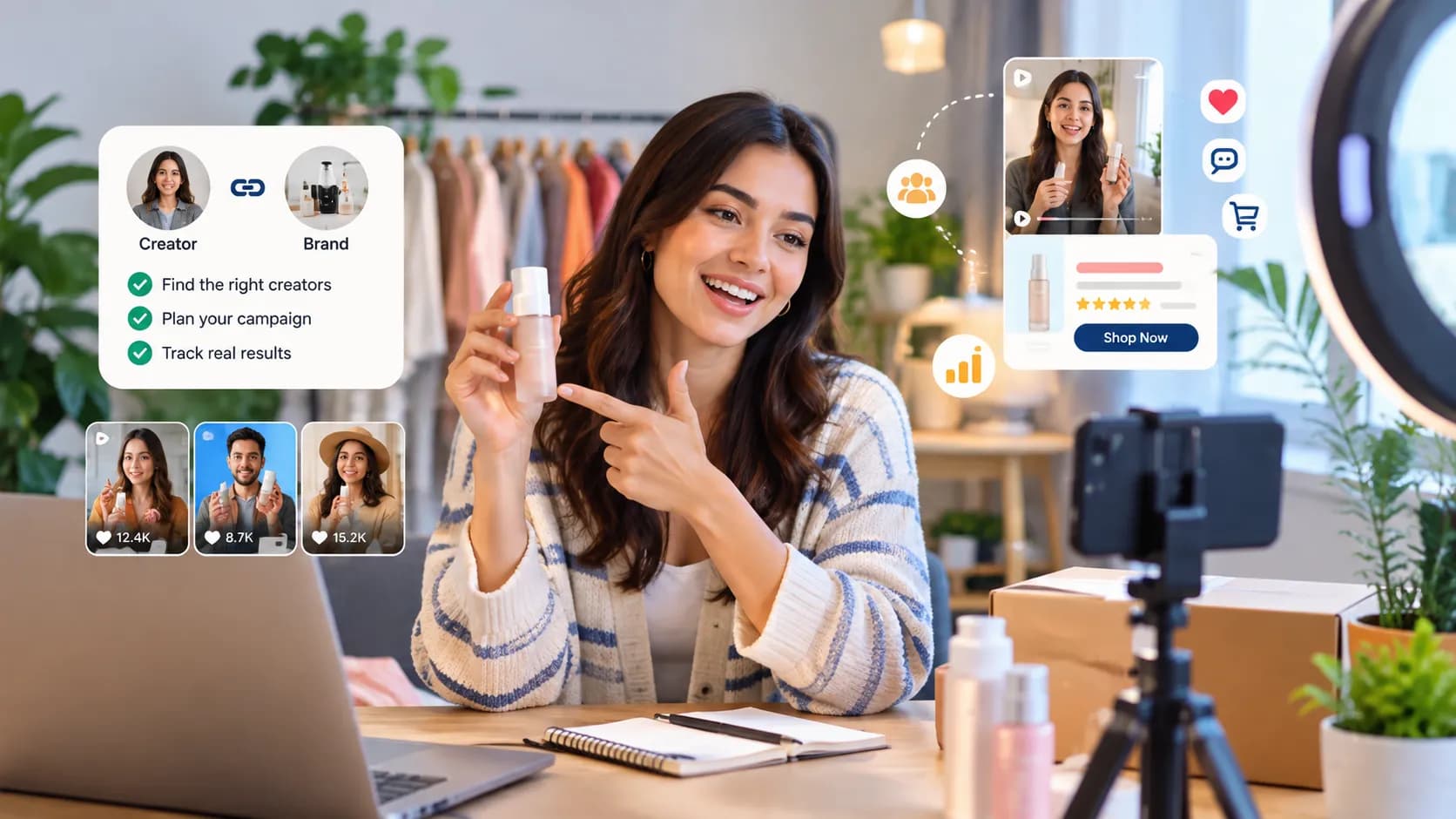
Ecommerce has changed from showing products to shoppers to helping people find products through content, suggestions, groups and people who create content. In 2026 this change is becoming more clear as these people who create content have a role in how people look for and think about what to buy.
This is where commerce led by creators comes in. By keeping marketing, content and shopping separate this type of commerce brings them together. A person who creates content might show a product in a video, explain how they use it, answer questions from their audience and send viewers to buy it.
This idea is not completely new. People who have a lot of followers have been suggesting products for years. What is changing is how closely the content created by these people is tied to the shopping process.
What Is Commerce Led by Creators?
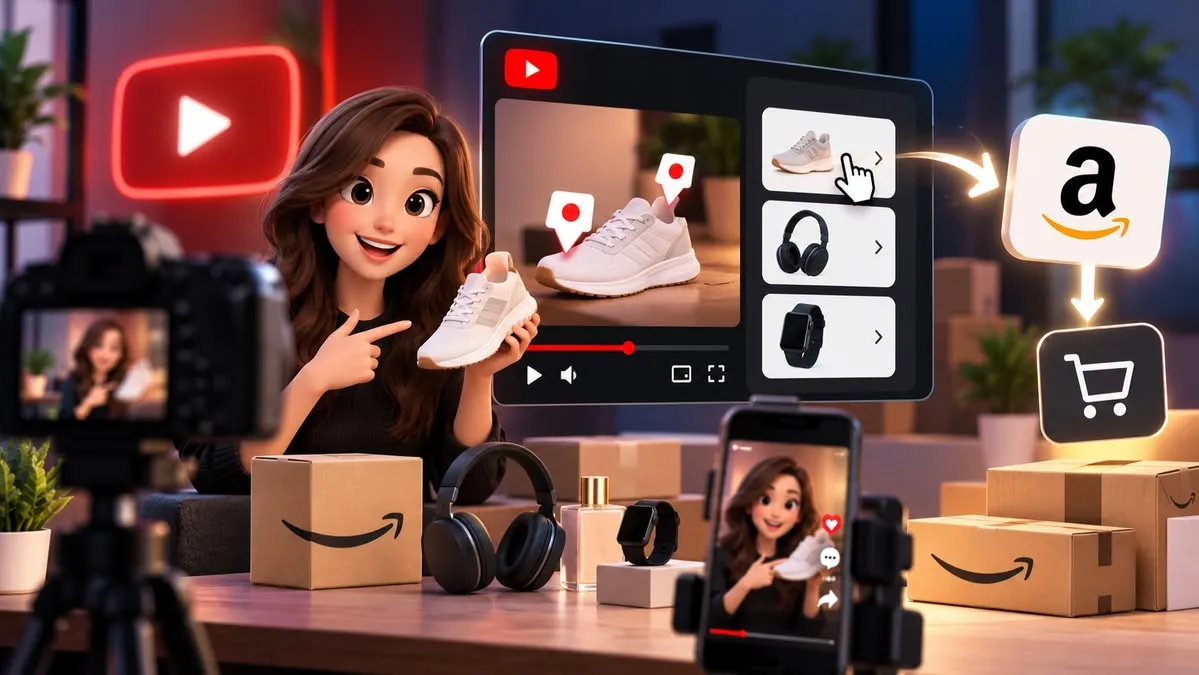
Commerce led by creators is a way where people who make content help brands show, explain, suggest and sometimes sell products directly to their fans.
It can include reviews, how-to videos, demonstrations, links that earn money, live shopping, short videos, social shops and content made by the creators themselves.
The main difference is that the person making the content is not just acting as a way to advertise. Their content can be part of the customers decision-making process.
For example someone looking for a skincare product may first see a person explaining how they use it. If they go to the brands website right away they might watch several videos about it, compare options, read comments and then decide if the product is right for them.
This makes the content created by these people at many points in the buying process.
Why Commerce Led by Creators Is Important for Ecommerce
Online shopping usually starts with a page that shows the product. Commerce led by creators can start earlier with finding out about the product.
A person who might not know the brand could find a product through a creator. The creator gives information that a product page may not provide on its own.
Three changes are very important:
Finding products is becoming more about content
People are finding products through videos, social platforms, suggestions from creators and online groups.
A creator can show how a product looks when it is used by just using product descriptions or brand photos.
Trust and context are important
Creators often talk to a group of people around a certain interest. Their value is not about how many people follow them.
A smaller creator whose content matches a product category may be more useful because their audience already understands the topic.
For brands this means choosing the creator is more complicated. The number of followers is not the thing that matters.
Shopping and content are getting
Social commerce has made it easier for people to see a product and then check it out.
A creator's post can make people aware of a product, give it information, answer questions and encourage people to look into it.
This does not mean every campaign by a creator will lead to a sale. The role of the content depends on the product, the audience, the campaign goal, how good the content's the time it takes to buy.
How Commerce Led by Creators Fits Into the Customer Journey
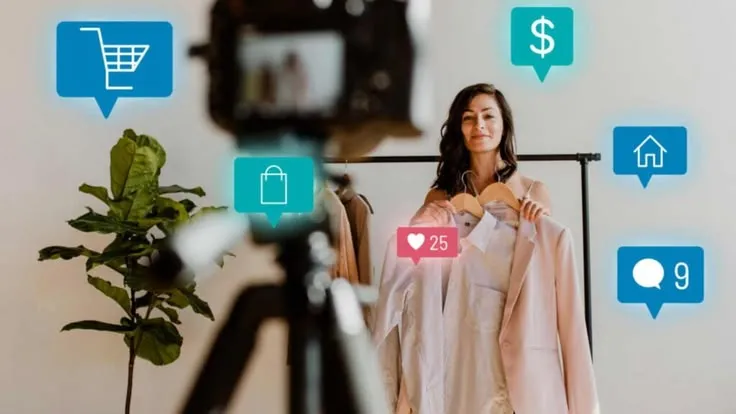
Commerce led by creators can influence parts of the online shopping process.
Discovery: A customer first finds out about a product through content made by a creator.
Consideration: They watch how it works, read reviews and compare it with products or watch tutorials.
Evaluation: They look at comments, product details, reviews and what other creators say.
Purchase: They go to the brands website, a store, a social shop or another place to buy.
After purchase: They might make their content ask questions or share their experience.
This shows that commerce led by creators is more than a way to promote something. It can link content with parts of the shopping journey.
A Real Way for Brands to Use Commerce Led by Creators
A campaign usually starts with the business goal instead of a list of creators.
Step 1: Decide the goal of the campaign
Choose if the main goal is to get people to find a product, teach them about it, bring traffic to a website, create content, build a community or make sales.
A campaign that explains a product will need a different creator and type of content than one that introduces a simple product.
Step 2: Know the audience
Figure out who the product is really for and what kind of content that audience already likes.
This helps brands look past age or gender groups and think about interests, problems, what they like to watch and how they buy things.
Step 3: Find the right creators
Looking for creators should consider their area of focus: how well they match the audience, the style of their content, how engaged their followers are, what they have made before and how well they fit the brand.
Platforms like Vitaay can be used if brands want a way to explore ways to work with creators.
Step 4: Check the creators content
Look at posts instead of just looking at the creator's profile.
Ask questions: Does the creator explain products clearly? Does the way they make content fit the brand? Does the audience seem right? Can the creator make the content needed?
Step 5: Set details for working together
Before posting, agree on what will be made when it will be done, what information the creator needs, how to say it is a partnership, who can use the content, how it will be approved and other details for the campaign.
Clear expectations help both sides.
Step 6: Track the results
The metrics should match the campaign goal.
A campaign to find new people might focus on how many people saw it and how much they engaged while a campaign to sell might look at clicks, sales, money made or other sales-related numbers.
Step 7: Learn from the campaign
The best result is not always a number. Brands can also learn which creators, types of content, messages and groups of people had the responses.
That information can help make campaigns better.
Commerce Led by Creators and AI Discovery
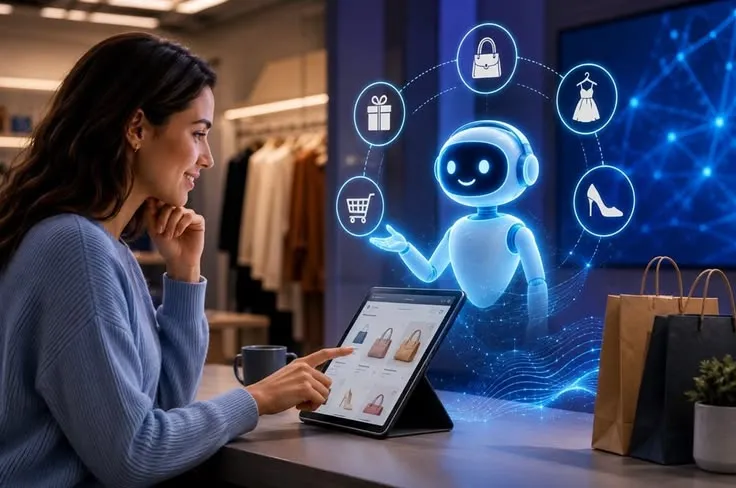
Another thing that is happening is how people find brands through AI-powered search and recommendations.
As AI systems become another way people look for products, brands need a consistent online presence. Content made by creators can help with that by creating talk showing how products work explaining them and giving more information about a product.
However the content created by these people should not be made just to influence AI systems. It should first be helpful to the people it is meant for.
For brands looking into working with creators the focus should stay on the creators, useful content, accurate product information and real connections with the audience.
Brands looking to discuss creator collaborations or partnership opportunities can reach out through the Vitaay contact page.
What Brands Should Think About Before Spending Money
Commerce led by creators can bring chances. It also needs careful planning.
A big creator is not always the choice for every product. A campaign can also become hard to manage if expectations, approvals, who can use the content or what is said is not clear.
Brands should think about:
Who the audience is and if the product fits
The quality of the creators content
If the creator is genuine and matches the brand
The goals of the campaign
The types of content needed
How much money is available and how much the creators cost
What needs to be said about the partnership
Who can use the content and how it will be approved
How to measure the campaign
If there is a chance to work together term
Human choices are still very important in this process.
Final Thought
Commerce led by creators is likely to keep growing as shopping, content on social media and finding products online become more connected.
The next step could be for creators to not make ads but also help with education about products by building a group of people giving feedback, helping with new products and telling the brand's story over time.
For brands this means that working with creators may become part of the online shopping plan instead of just a separate marketing effort.
The brands that think about this carefully will focus on what's right instead of just how many people are involved: the right creator, the right audience, the right content and the right time in the buying process.
For creator-focused updates and industry content, follow Vitaay on Instagram.