Quick Answer
Influencer marketing within a D2C brand allows you to reach your target audience with the help of creators. Product demonstrations, genuine reviews, tutorials and real-life experiences can be shared to allow people to understand the product. To create successful influencer campaigns, pick relevant creators, determine clear campaign goals, give creative direction, and measure meaningful KPIs including engagement, traffic, conversions and new customers.
Introduction
Whilst distributing a product to customers can often be straightforward in a Direct to Consumer business, providing good reason for customers to purchase from your brand may be more complex.
For example, if you were a skincare brand launching a new moisturiser, although advertising the ingredients and benefits of the product may be included in an ad, customers may not know if it is suitable for their skin type. By having a skincare influencer show how this product works for them, customers may find it easier to understand the product.
Influencer Marketing within D2C brands can therefore be very valuable in helping to promote products.
However, to get the most out of influencer partnerships, careful planning is required, plus researching creators, and understanding exactly what you wish to achieve from the campaign.
Why Influencer Marketing is Valuable for D2C Brands?
As D2C businesses manage all customer relationships, brand positioning and digital sales platforms, you have more control over the consumer experience. However, you will need to consider ways of attracting and retaining customers.
Influencer partnerships can be beneficial in the following ways:
Product Credibility
With the help of product reviews, product unboxings and practical demonstrations, customers can gain a greater understanding of the product.
For example, a home organisation brand may partner with a creator to show how they can use storage items in a small flat. This means that they have a real-life example of how the product works.
Targeting Relevant Audiences
By partnering with creators, a D2C brand can target people who are interested in specific products.
For example, a nutrition brand focusing on fitness may get more out of partnering with creators in fitness and wellness than with a general lifestyle influencer with a much larger audience.
Although a high audience may be desirable, it may be more valuable to have a relevant audience.
Reusable Content
Content can be created with creators which can be used across multiple marketing platforms.
If a creator has made a product demo, this can be used as advertising content on socials, product videos on the website and/or campaign assets meaning you can make the most of this content.
Product Discovery
As products are being promoted by creators within content they are watching, smaller or newer D2C brands may be able to reach new customers who would not have found them through traditional advertising.
Different Influencer Campaigns in D2C Brands
Depending on the product, target audience and goal of the campaign, different types of influencer partnerships can be useful.
| Collaboration Type | How It Works | Suitable For |
|---|---|---|
| Product Reviews | Creators share their experience using a product | Building product understanding |
| Unboxing Videos | Creators show packaging and first impressions | Product launches |
| Tutorials | Creators demonstrate how to use a product | Beauty, food and lifestyle |
| UGC Content | Creators produce content for the brand's channels | Advertising and social media |
| Affiliate Campaigns | Creators earn commissions on tracked sales | Performance-focused campaigns |
| Long-Term Partnerships | Creators collaborate with a brand over time | Consistent brand communication |
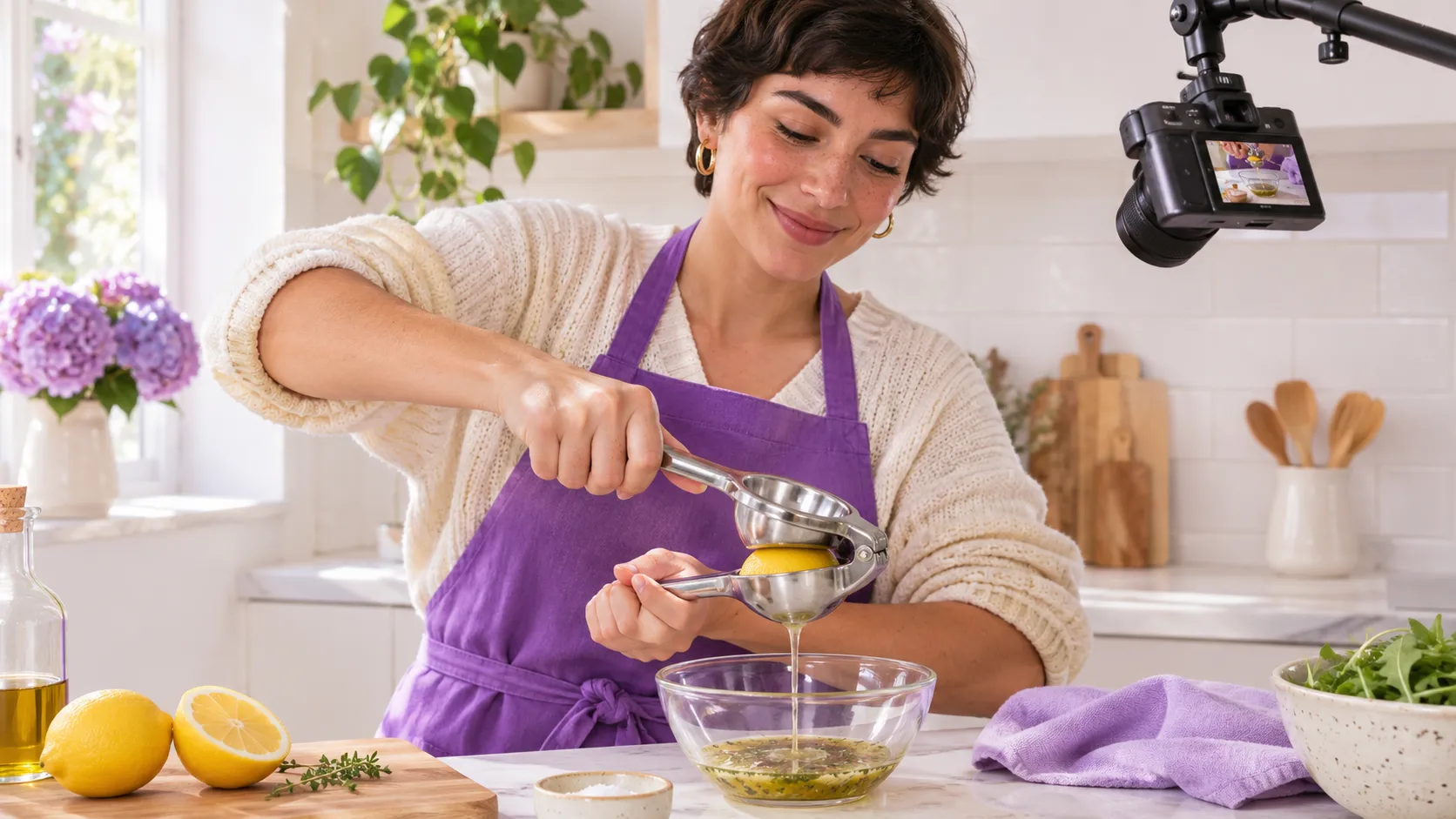
Food D2C brands may run recipe tutorials to demonstrate products, whereas fashion brands may work with creators to create styling guides.
The type of campaign should be appropriate for the product, not just a popular trend on social media.
How to Create Successful Influencer Marketing Campaigns?
Within D2C brands, to create successful influencer campaigns, consider the following.
- Determine Campaign Goals
Understand what you wish to achieve from this campaign.
Goals may include:
- Introduce a new product.
- Raise awareness with a certain audience.
- Drive targeted traffic to the website.
- Create product demos/User generated content.
- Support sales via affiliate marketing.
Don’t try to achieve too much in one collaboration. If you are launching a new product and increasing conversions for example, you may need different creators and content compared to each other.
2. Know your target customers
Research who is most likely to buy your products.
Consider age range, interests, location, preferences for shopping, content consumption habits and any concerns during purchasing.
For example, if you have a sustainable fashion brand, you may wish to target customers who care about ethical purchasing, styling outfits and quality of clothing.
This will help you be more targeted in finding the correct creators.
3. Research Influencers appropriate for the brand
Don’t just look at follower numbers.
Consider:
- Audience fit and demographics.
- Quality of content and tone.
- Average engagement level.
- Past brand collaborations.
- Consistency of content.
- Authenticity and credibility.
Even if a creator doesn’t have a large audience, if they have active engagement in content related to your product category, they may be a better choice.
Tools like Vitaay can assist brands in researching appropriate creators and partnerships.
4. Plan the partnership
Once suitable creators have been identified, plan what you require within the campaign.
Agree on content required, type of content, timescale, payment, product requirements, approval guidelines and re-use rights.
Perhaps a skincare D2C brand may require 1 product demo and supporting stories. The creator should understand the benefits of the product but be given creative freedom to present it in a natural way.
However, if content is too scripted it may seem like regular advertising.
5. Allow creative freedom
Give creators key information to share about the product, but do not restrict their content too much.
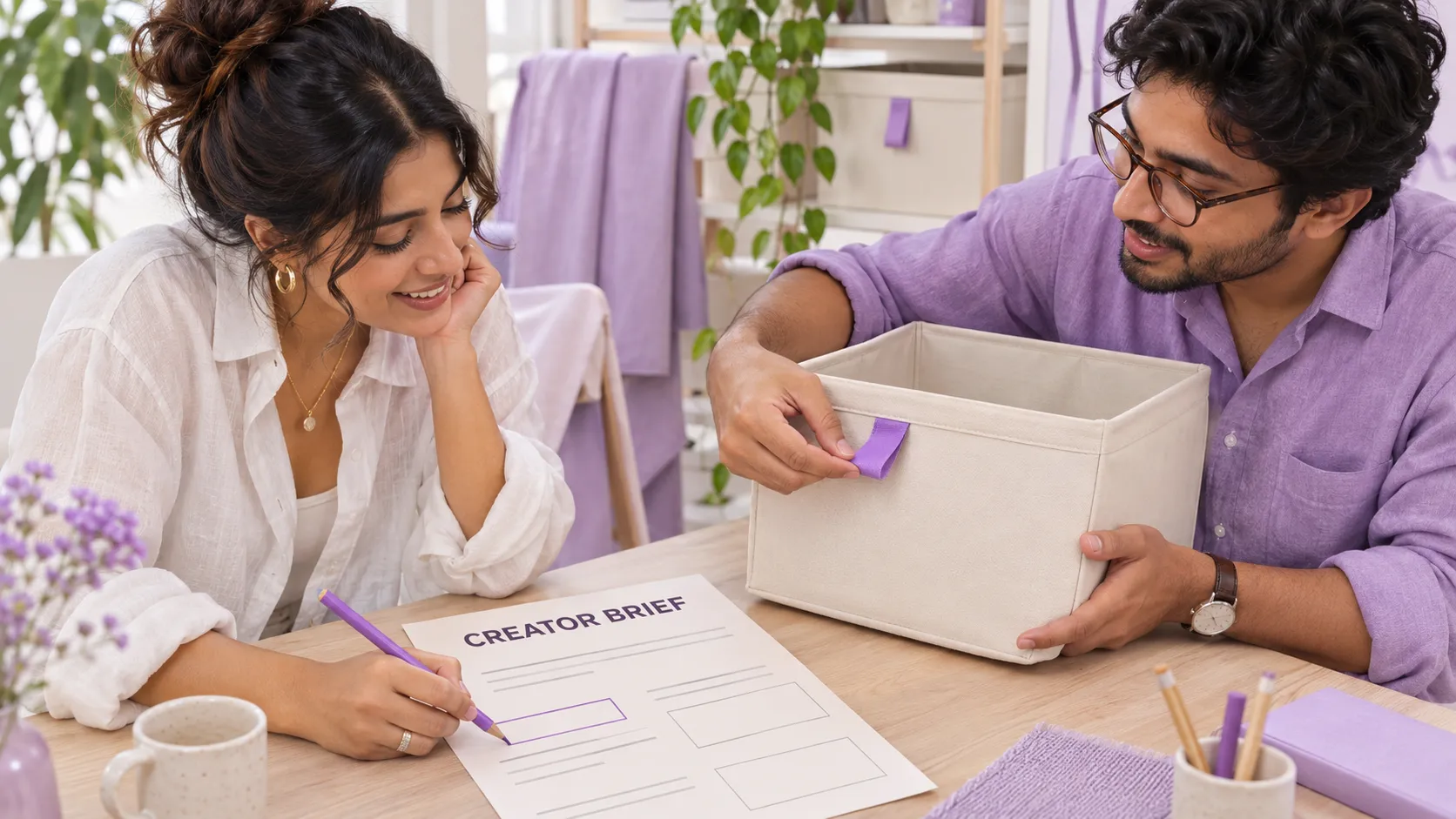
Give a clear brief, including product, target audience, key points, any restrictions and campaign goals. However, allow creators to present the information in a style they’re used to. As creators understand their audience well, this makes for a great collaboration with your brand.
6. Measure campaign success
Once content is live, measure how well the campaign performed compared to the goals.
Consider:
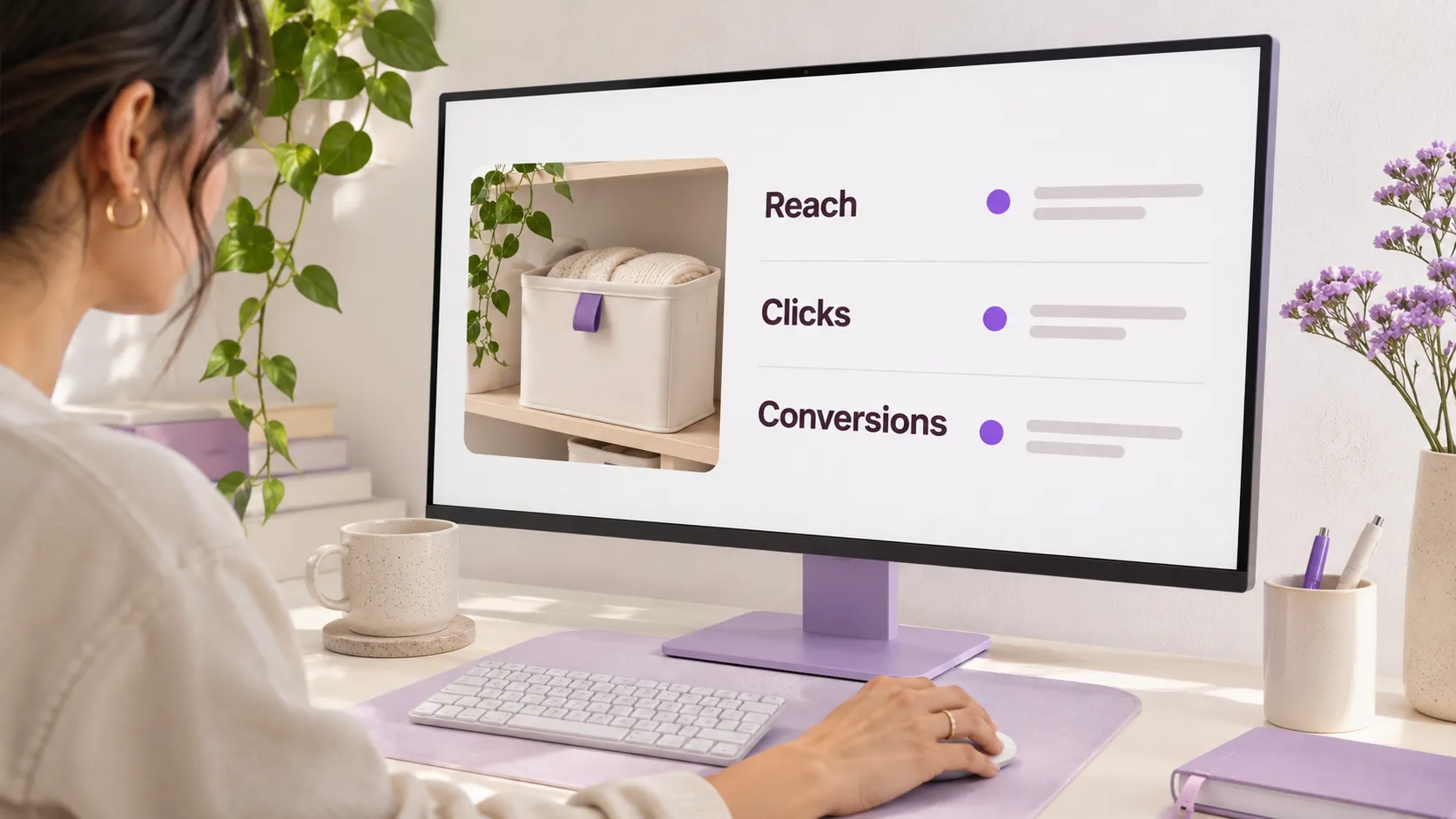
- Reach – how many unique users saw the content?
- Engagement – how engaged was the audience?
- Clicks – how many people clicked through to the website?
- Conversions – how many people completed the desired action?
- CPA – How much was spent to gain a customer?
- Content performance – what content caused meaningful engagement?
Where possible, use unique links, discounts and/or specific landing pages. Not all creators should be measured purely on sales. For example, awareness campaigns may be measured differently from affiliate campaigns.
7. Evaluate & improve future campaigns
Consider how creators performed, audience reactions and content types.
If you got more targeted traffic from tutorial content compared to a product unboxing, you may wish to include more educational content in future campaigns.
Alternatively, if a creator got high engagement but very little relevant traffic, consider whether the audience were a good fit and if the message in the campaign was clear before working with them again.
Common mistakes in D2C Influencer Marketing
Despite careful planning, influencer marketing can be ineffective if certain considerations aren’t taken into account.
Only using creators with large followings. Just because a creator has lots of followers doesn’t mean they are targeting the right audience. Ensure that they are targeting the right audience and high quality content is provided.
Not considering authentic audience interactions. If unusual interaction trends, repetitive comments or inconsistent audience interaction is seen, further investigation should be done.
Giving the same brief to all creators. Each creator will have different styles of communication. Consider adapting the direction of content to suit the strengths of the creator.
Only considering likes. Although engagement is useful to consider, depending on the campaign, gaining traffic, conversions and good quality customers may be more important.
Not considering content re-use rights. Before content is published, agree what content can be reused by the brand, for how long and in what formats.
Only running one campaign. Very rarely will one influencer campaign give enough data to create a reliable long-term strategy. Consider the results and improve future campaigns.
Long term partnerships with creators in D2C brands
If possible, form ongoing partnerships with creators who regularly connect with your target audience.
Long term partnerships can include seasonal product launches, regular product demonstrations, educating customers, and creating content based on feedback.
For example, a kitchenware brand may work with a food creator for a few months. Within this partnership, they may introduce the product, include recipes using the product and offer practical tips based on ongoing use of the item.
This means that there is more consistency for branding and provides audiences with more understanding of the product.
However, brands should periodically evaluate performance to ensure that partnerships remain relevant.
If a business is looking to form partnerships with creators, contact us to discuss suitable opportunities.
Final Thought
D2C brands can get the most out of influencer marketing by targeting creators with relevant audiences, high quality content, and which fit with campaign goals. Depending on goals, partnerships can be product demos, user generated content, affiliate marketing or long term partnerships. Careful planning, allowing creativity within content and measuring meaningful KPIs can help D2C brands form more useful relationships with audiences.
To explore creator collaborations, discover more about us on Instagram.