Quick Answer
There are various factors to take into consideration when choosing whether to work with micro or macro-influencers. Depending on what you want to achieve with your brand, a smaller influencer may offer a niche audience that will talk about your product whereas a larger influencer will bring your product to a wider audience. Both can be useful!
What Are Micro-Influencers?
Micro-influencers typically have a smaller yet established following on social media. Typically they will have anywhere between 10,000-100,000 followers. However, this can vary depending on the platform and market.
These creators usually focus on a specific topic, like skincare, fitness, food, parenting, gaming, travel or personal finance. They will have content that answers questions and focuses on certain aspects of the topic. For example, a skincare influencer may talk about the texture of products, how they work in their routine and what they look for prior to buying a new moisturiser.
They are not always the most affordable, trustworthy or high engagement option. Some creators may have an inactive audience, inconsistent content and an audience that doesn’t fit your target market. It’s important to review their recent posts, engagement in the comments, audience information (if available) and previous collaborations.
What Are Macro-Influencers?

Macro-influencers will have a much larger audience on social media. Typically they will have around 100,000-1 million followers. However, this can vary depending on the platform and market. Anything over this amount may be considered as a mega-influencer or celebrity.
These creators will have some level of recognition within their niche or may have a wider following within topics like lifestyle, entertainment, fashion, sports, beauty, travel or tech. A fashion brand may choose to work with a macro-influencer to launch a new seasonal collection to a wide audience.
However, having a large audience does not mean they will gain much attention. They may have an audience that doesn’t fit your target market and may not have content that goes in depth about the topic. Be sure to review their audience, tone and previous content.
Key Differences Between Micro and Macro-Influencers
| Comparison Factor | Micro-Influencers | Macro-Influencers |
|---|---|---|
| Typical follower range | Around 10K–100K | Around 100K–1M |
| Audience | Often niche-focused | Often broader |
| Campaign role | Targeted communication | Wider visibility |
| Content style | Frequently personal and niche-specific | Often broader and professionally produced |
| Collaboration approach | May suit smaller or multiple-creator campaigns | Often planned around larger individual partnerships |
| Budget considerations | May offer more flexible collaboration options | May require a larger investment |
| Brand suitability | Niche products and focused audiences | Product launches and broad campaigns |
One important distinction is that a larger following does not automatically mean better campaign performance. Brands should assess audience quality, content relevance, and actual campaign results rather than relying on creator size alone.
Which Is Best For Brand Awareness?
If you’re looking to get your brand/product/campaign seen by a wide audience then working with a macro-influencer may be useful. They will have a larger audience which means they can reach people outside of a niche audience. This can be great if you are launching a new product, seasonal collection or campaign to increase Brand Awareness.
Be sure to define what Brand Awareness you are looking for. If there are lots of followers that aren’t in your intended area/customer base then a macro-influencer may not be the best option. Working with a few micro-influencers may give more targeted exposure.
Which Is Best For Trust and Product Education?
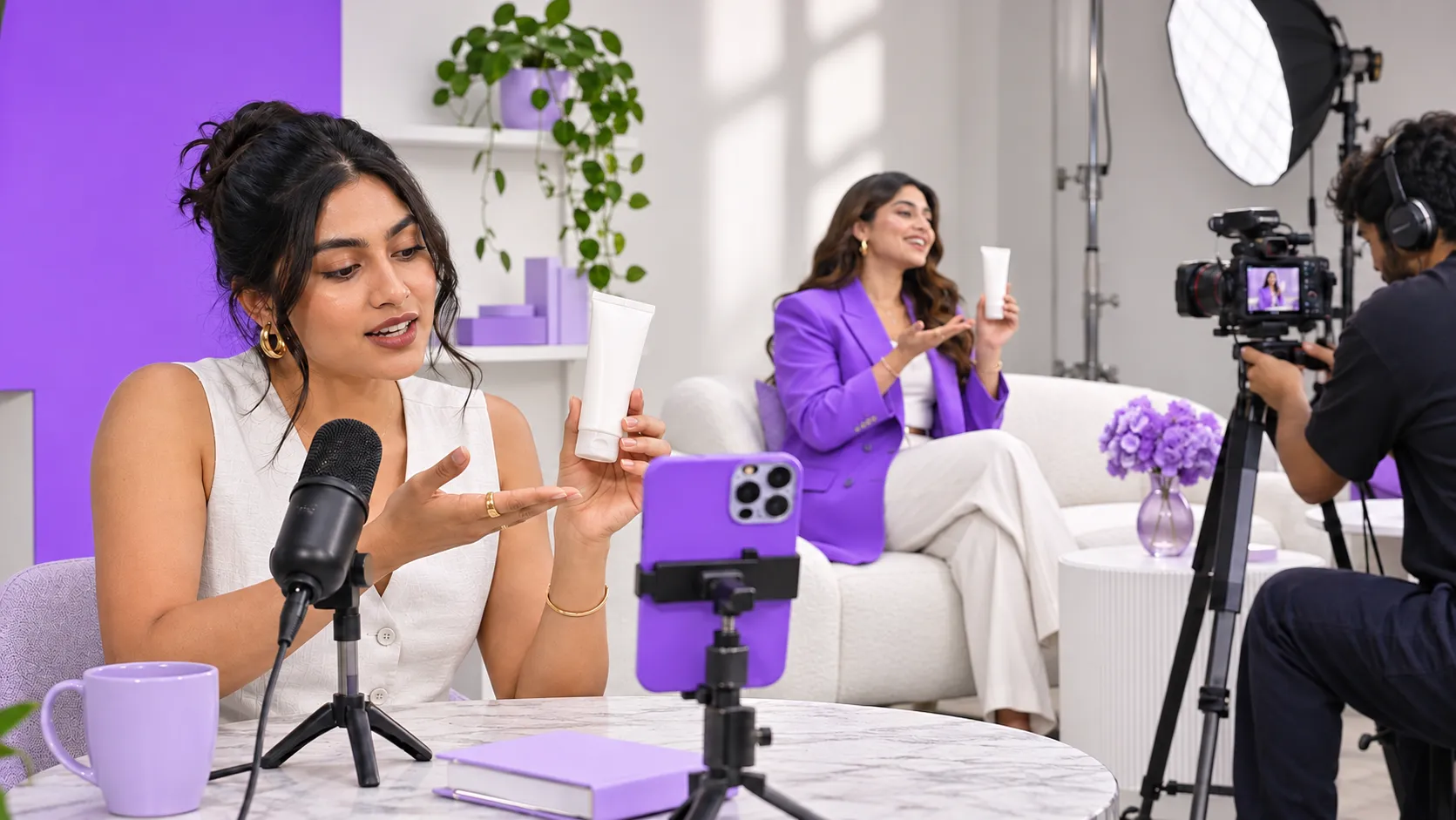
Working with a micro-influencer may be useful if your campaign involves educating people about your product. A running influencer may talk about how the shoes fit, comfort and what they need for their training. A beauty influencer may show how the product can fit into their routine.
However, this doesn’t mean smaller creators are always more genuine. This will depend on how they communicate, their experience, how honest they are and how connected they are to the topic. Macro-influencers can also be useful for educating audiences. If they have recognised knowledge or niche topics then they can be useful. Just be sure to give creators accurate information about your product and don’t ask anyone to make claims you can’t back up.
How To Compare Costs Of Campaigns
Don’t get caught out by just comparing how many followers they have! Be sure to compare what is included in the proposals. This should include what will be delivered, what needs producing, how many posts, how many amends, what the rights are, if they can be paid to boost, exclusivity and how long the campaign will run for.
Decide what metrics you want to track based on your campaign goals. You can track reach, views, saves, comments, clicks, enquiries and sales. Be sure to agree how you want to track this ahead of publishing. Don’t assume that one creator caused all the results due to correlation.
When To Work With Micro-Influencers
If your campaign requires targeted relevance to an audience, multiple opinions from the community and in-depth product content then micro-influencers may be a good option. Consider working with them for niche products, local campaigns, product education and experimenting with different creative messages to different audience groups.
If you’re launching a local restaurant then working with creators who have local followers who are frequently looking for food recommendations may be useful. Be sure to look at each creator individually. Check they have consistent recent content, meaningful comments, the right audience and clear sponsored posts. Ask for any relevant audience insights and review what will be delivered.
When To Work With Macro-Influencers
If your campaign requires a wide reach and the creator has an audience that fits your target market then working with a macro-influencer may be a good option. They can be useful for launching your product, supporting a large seasonal campaign and spreading your creative idea.
Can I Work With Both?
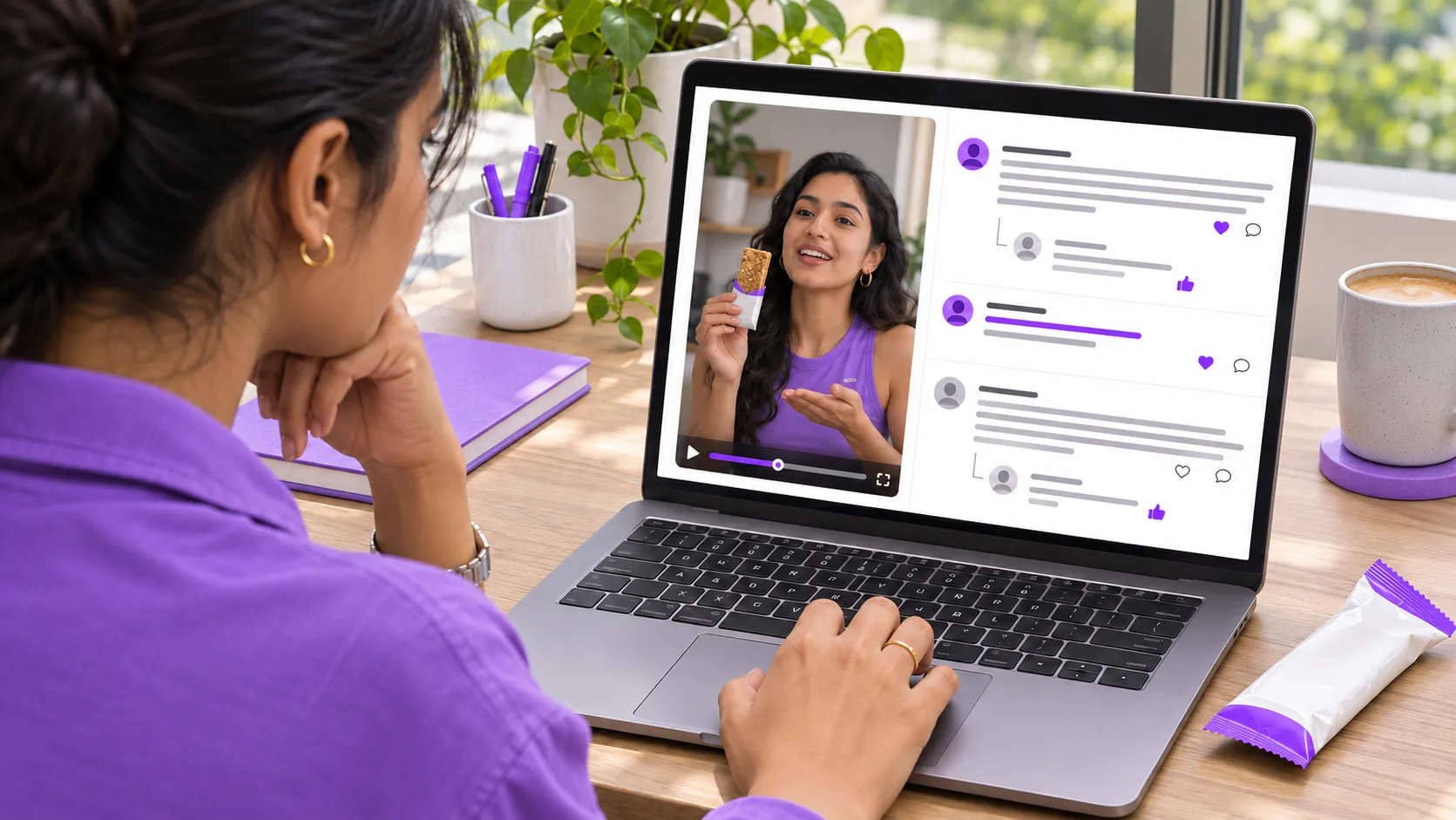
If you’re launching a new healthy snacking brand then working with a macro-influencer to create a launch video showing how they can fit into a busy day may be useful. You could also work with micro-influencers in the food, fitness and student niches to show how they can use the product in their own ways. This shouldn’t be the same content. Each creator should explain how the product can be used from their perspective.
Be sure to plan when they’ll be posting, what key points they need to cover, how honest they need to be and what they can claim. Don’t make everything sound too staged. Give them a clear brief and key facts but allow them to use their usual tone and style. Review the campaign overall to see which messages were reaching which audiences.
Yes! You can work with both if they have a clear role. A macro-influencer may be used to launch your campaign to a wide audience whilst select micro-influencers create more targeted content for specific interested communities.
Practical Steps To Take
- What is the goal of your campaign? Are you looking to increase awareness, educate about your product, get the community talking, drive traffic to your website, generate enquiries or sales? You may have multiple goals but decide what your main goal is.
- Who is your target audience? Be specific about who you want to reach. Think about what interests them, where they are located, what they need and what their purchasing situation is. Don’t be vague e.g. ‘young people’.
- Find creators. Search for creators based on their topic, platform, location and content. Shortlist a few creators including a mix of both audience sizes if they are both relevant.
- Review creators. Don’t just look at how many followers they have. Read through their recent captions and comments. Watch their videos, are they consistent with their posting? Does their tone fit with your brand? Ask for any audience insights and review them.
- Decide what you want from the collaboration. Decide what will be delivered, deadlines, key points to mention, how honest they need to be, what needs approving, what the rights are and payment. Ensure both parties understand what will be included.
- Create and review. Allow creators time to create the content. Check the information is accurate and they are being honest as required. Don’t restrict their creativity. Ensure they know when they’ll be posting and what information you want tracking.
- Review and improve. Compare how well the results fit with your initial goal. Which audience groups responded? What worked well with the content? Use these to improve your next shortlist. Having a clear process in place to find creators will help your team stay organised with their search, review and campaign requirements. If you’re looking to get to know more about Vitaay and whether we’d be a good fit for your brand then feel free to get in touch!
Common Mistakes

A common mistake is to pick creators based on how many followers they have. This can cause issues with the location of their audience, topic relevance, quality of content and the people you want to reach with your campaign. Another mistake is to assume micro-influencers will be cheaper and macro-influencers will give more value. This will depend on the creator.
To keep up with Vitaay's creator updates,follow Vitaay on Instagram.