
.jpg&w=3840&q=75)
Micro-Influencers vs. Macro-Influencers: Which Delivers Better ROI in 2026?
The debate has raged in marketing boardrooms for years: do you place your budget behind a single creator with millions of followers, or spread it across dozens of niche voices with smaller but fiercely loyal audiences? In 2026, the answer has never been more nuanced.
At Vitaay.ai, we connect visionary brands with influential voices across every tier of the creator economy. This guide breaks down the real differences between micro and macro-influencers, what the latest data says, and how to build a strategy that actually converts.
The Case for Micro-Influencers in 2026
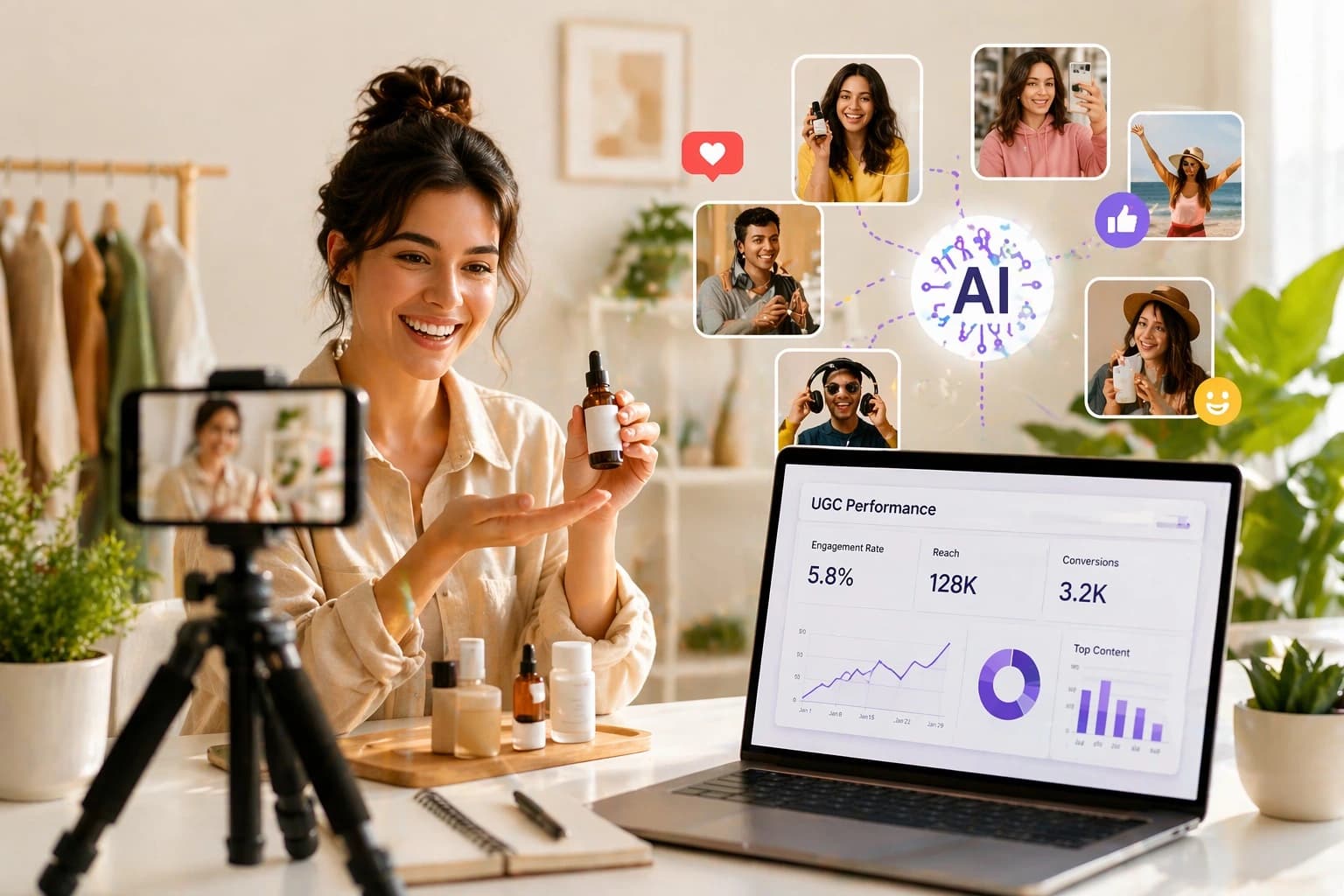
Micro-influencers have become the backbone of performance marketing for a simple reason: specificity. Their audiences have self-selected around a niche. Research consistently shows that micro-influencers typically deliver engagement rates between 3.5% and 6%, while mega-influencers often see rates below 1.5%.
The Case for Macro and Mega-Influencers
Macro-influencers still serve a critical function, particularly for brand awareness campaigns where reach is the primary KPI. When launching a new product line or building cultural relevance, the sheer visibility of a macro-influencer placement is hard to replicate.
Conclusion: The Hybrid Strategy Wins
The most sophisticated brands in 2026 are not choosing between micro and macro — they are running tiered campaigns that use each strategically. Vitaay.ai's matching engine connects brands with creators across every tier — so you never have to choose between reach and relevance.

.jpg&w=3840&q=75)

.jpg&w=3840&q=75)

.jpg&w=3840&q=75)
.jpg&w=3840&q=75)

.jpg&w=3840&q=75)

.jpg&w=3840&q=75)