Quick Answer
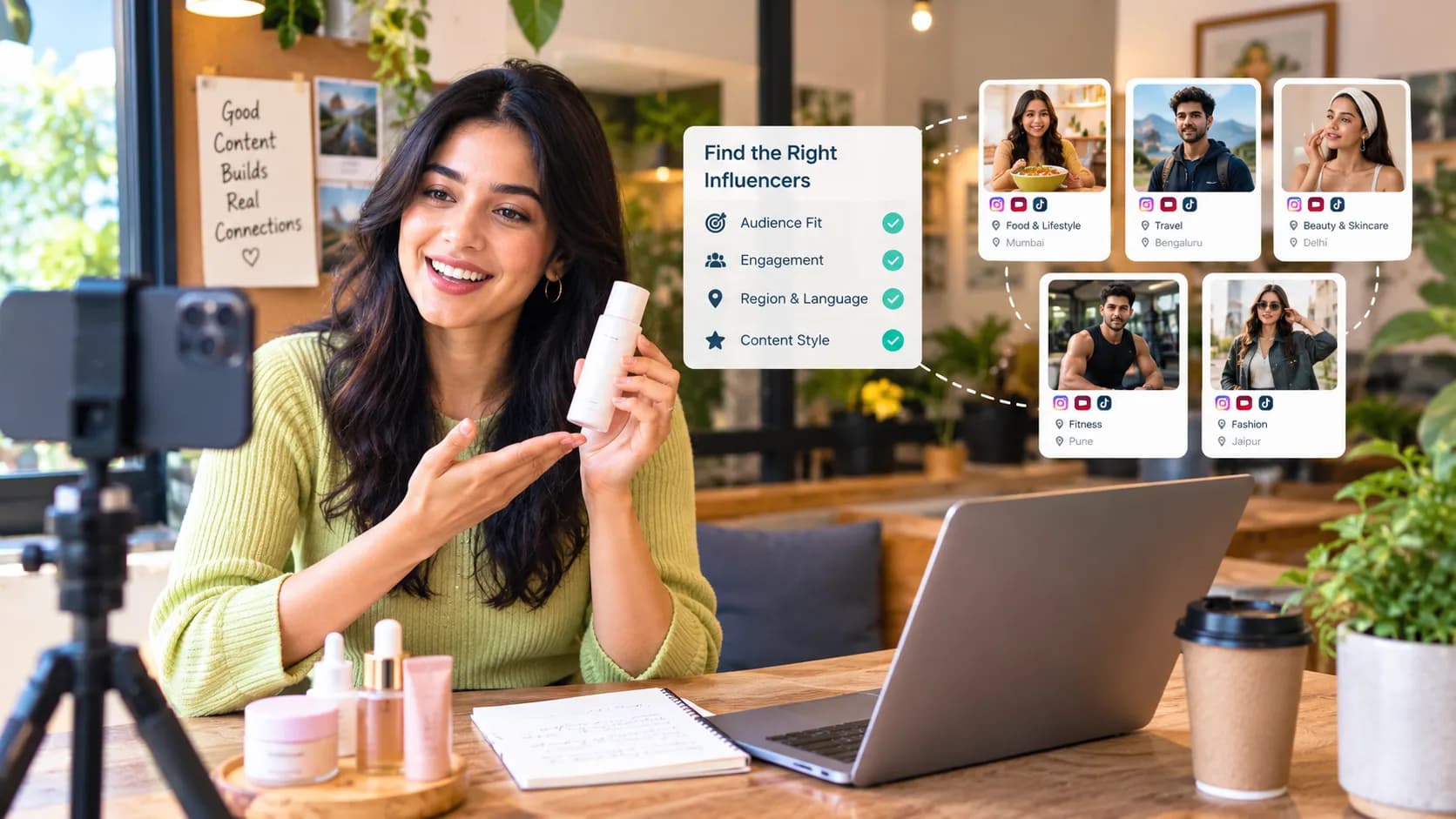
Finding influencers for a brand goes beyond looking for the most popular social media accounts. An influential creator may not reach the audience required, and someone with fewer followers but the right audience and content style may be the best option for a brand campaign.
The search in India must also consider that audiences are segmented by language, location, interests, and preferred social media. Finding the best influencer for a brand requires a campaign brief, assessing the reach and relevance of potential influencer accounts, and evaluating the fit with the brand.
The following article will discuss how to find creators with the most suitable audience, analyze their profiles, and initiate a brand collaboration.
Influencer Discovery: Finding the Right Influencers for a Brand

Finding influencers is the process of researching social media creators and engaging with those that fit specific criteria. It entails analyzing the influencer’s profile, content, and audience and determining how they might meet the brand’s marketing needs. Platforms such as Vitaay.ai can help brands explore creator discovery and collaboration opportunities.
A food company launching a regional campaign may want to find opinion leaders in the food reviewing space that communicates in the language their customers prefer. A cosmetics brand, on the other hand, may need to collaborate with a specialized creator that discloses product details and ingredients.
Everything depends on the campaign objective, which is why influencers that fit the brief are essential to a brand’s success.
Determine the Influencer Campaign Goal
Before searching for influencers, a brand should determine its campaign objective. The goal will define the search criteria, determine what metrics to use, and help a brand evaluate if a creator fits the need.
| Campaign goal | Creator profile to consider | What to evaluate |
|---|---|---|
| Brand awareness | Creators with relevant reach and consistent content | Audience relevance, reach data, and content quality |
| Product education | Reviewers, educators, or niche specialists | Clarity, subject knowledge, and audience interest |
| Community engagement | Creators with active conversations around their content | Relevant comments, audience questions, and interaction quality |
| Product discovery | Creators who demonstrate or explain products naturally | Content format, product relevance, and audience needs |
| Regional visibility | Creators who understand a specific language or local market | Geographic relevance, language, and cultural familiarity |
This is not an absolute list, and a single creator may fulfill more than one objective. However, a brand should always identify the most critical goal and have a clear influencer discovery brief.
Determine the Target Audience
As mentioned above, a creator’s audience is one of the most important factors in marketing. A brand should have a general idea of who it wants to reach with the campaign and the type of influencers that might fit their needs.
A clothing brand launching a regional collection, for example, may want to find influencers with a regional following that can communicate effectively with the target market. A business selling software for small businesses may prefer to collaborate with someone who can explain complex concepts rather than a celebrity influencer. Language, location, age, interests, purchase intent, and social media preferences are a few factors a brand should consider.
It may help to create a brief that describes the ideal audience and use it as a guideline while searching. The document will also help a brand stay focused and ensure consistency throughout the discovery process.
Research the Influencer Ecosystem
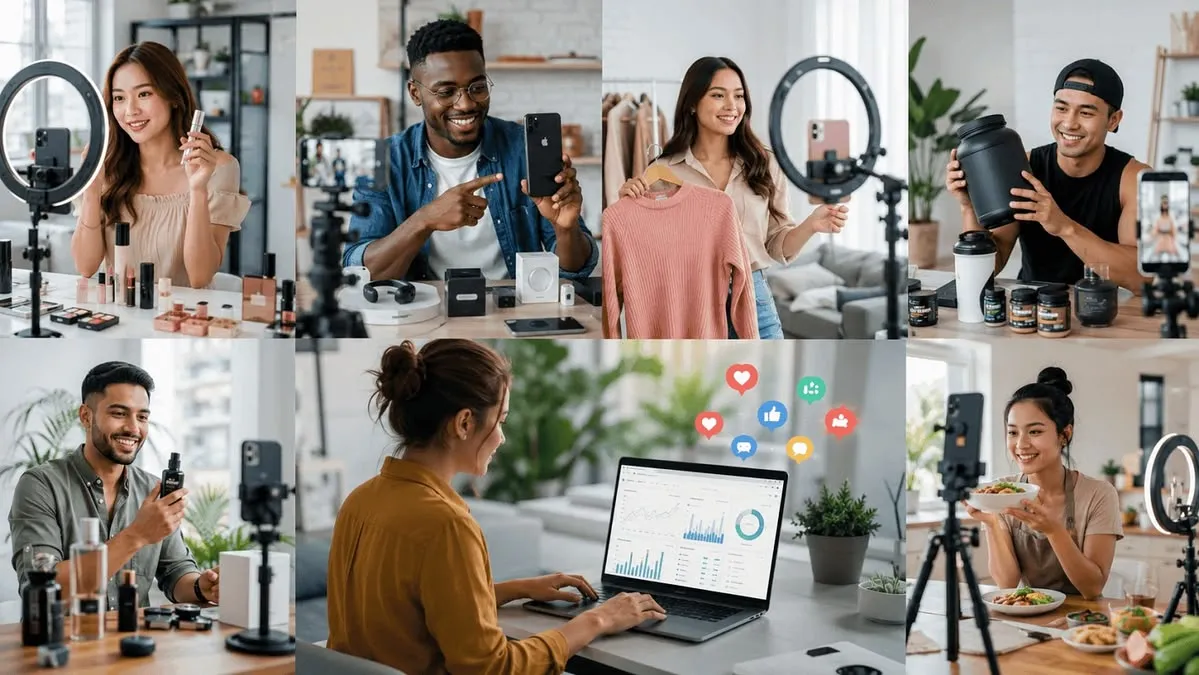
The influencer space in India is broad, ranging from national superstars to local creators, specialists, reviewers, educators, and more. Some influencers will be more popular at a regional level, while others will have a national reach. Local influencers may help a brand connect with a specific audience in a particular area, perhaps one that speaks a different language or has different buying patterns.
A creator making Marathi content, for example, may be ideal to launch a food campaign, although not every Marathi-speaking person will be interested in a food vlog. A brand should still ensure that the creator’s location and content resonate with the intended audience.
A few ways to find influencers are:
• Niche communities: Look for influencers and forums that discuss relevant topics, such as fitness, parenting, food, and technology.
• Regional influencers: Search in their respective language or location and use local hashtags.
• Social conversations: Find influencers that actively participate in the conversation, use similar hashtags, and collaborate with other creators.
• Competitor analysis: See which influencers other brands are using and determine if there are any gaps in the discoverer’s research.
• Creator recommendations: Ask influencers that a brand has already partnered with and those in the industry for recommendations. Remember to conduct independent research on every creator.
Following multiple discovery methods will yield better results than relying on a single source.
Review the Influencer’s Audience Fit and Engagement
A creator’s content is not the only thing that matters to a brand: their audience is also critical. Once a brand has a shortlist of possible influencers, it should focus on analyzing the reach and engagement the creator gets with their content.
Things to consider when reviewing an influencer’s audience and engagement are:
• Does the influencer reach the desired market?
• Does the influencer have a following relevant to the campaign’s location?
• Does the influencer encourage active engagement with their content?
• Does the influencer post consistently enough for the proposed campaign?
• Is the influencer’s content relevant to the brand and its proposed campaign?
• Does the influencer disclose their affiliation with the brand appropriately?
• Does the influencer use reliable and credible information for their content?
• Is the influencer honest and transparent about their sponsored content and brand affiliation?
A brand should take these factors into consideration and ensure that the influencer can fulfill the requirements of the proposed campaign. Engagement rates and comments are useful, but a creator’s performance might depend on the platform and the type of content they usually post. Where possible, a brand should request data analytics from the influencer and analyze them in context with the proposed campaign.
Analyze Influencer Content, Values, and Brand Safety
An influencer can reach the desired market with credible information and still be a poor fit for a brand. The creator’s tone of voice, graphical content, and presentation should be reviewed to ensure that they match the brand’s values and are appropriate for its audience. It is best to look at more than one post and ensure that the creator’s values align with those of the brand.
Some things to consider are:
• Does the influencer use a tone of voice that is appropriate for the brand’s audience?
• Does the influencer disclose their affiliation with the brand?
• Does the influencer make claims that might mislead or damage the brand’s reputation?
• Do the influencer’s sponsored posts align with the brand’s voice?
• Does the influencer collaborate with other brands or influencers that compete with the brand?
• Do the influencer’s sponsored posts follow the law and ethical marketing guidelines?
As with all influencer due diligence, brand safety should be researched objectively, and evidence should always be provided. What might seem like an unsuitable fit because of differing personalities or aesthetics may turn out to be an excellent collaboration. The objective is to ensure that the influencer fits the brief and that the campaign runs smoothly without damaging either party’s reputation.
Compare Influencers Using Similar Evaluation Criteria
When comparing the influencers under consideration, a brand should use the same evaluation criteria. It will assist the brand in selecting the most appropriate influencer for the brief while ensuring objectivity throughout the process.
One way to do this is to use a scorecard and rate each influencer on a scale. Businesses can contact Vitaay to discuss their creator collaboration requirements.
| Evaluation criterion | Suggested weight |
|---|---|
| Audience and campaign fit | 30% |
| Content quality and relevance | 25% |
| Engagement quality | 20% |
| Credibility and brand safety | 15% |
| Budget and working requirements | 10% |
Using a scorecard is only a tool, and brands should update the criteria and weightings according to their campaign and influencer needs. For example, a brand launching a regional campaign may find location more important than content quality. It is also a good idea to document supporting information that can justify the scores, such as evidence of audience fit.
Measure the Influencer Campaign’s Performance

After an influencer campaign ends, a brand should review its performance and, where possible, update its influencer marketing strategy. The brand should always go back to its original objective and ensure that the campaign met its goals. It should not measure every campaign using the same metric, however, and should only update its strategy based on objective evidence.
Depending on a campaign’s objective, a brand will measure a campaign’s success in various ways. A brand awareness campaign, for example, will have different metrics from a product launch. For each measurement, the brand should document what worked, what did not, and what it intends to change.
A brand should always be open to feedback, including comments or questions from its audience, and update its strategy based on the information. Even a failed campaign can teach marketing teams something new and provide invaluable lessons for future influencer campaigns.
Final Thoughts
Finding influencers is the art of balancing a campaign’s objective against an influencer’s audience, content, and general fit with the brand. Follower counts can give an idea of an influencer’s reach, but they should not be the sole consideration when choosing a creator. Brands should always research influencers’ audiences and content and ensure that they fit the brief, have credible information, and disclose brand partnerships honestly.
Using a campaign brief, evaluating influencers objectively, verifying the information, and measuring the campaign’s impact are all critical steps when working with influencers. A brand that wants to learn how to find influencers for the first time should begin with the above guide and then refine its strategy with every campaign. To learn more about influencer marketing and connect with influencers, a brand can turn to Vitaay.
For creator and brand updates, follow Vitaay on Instagram.