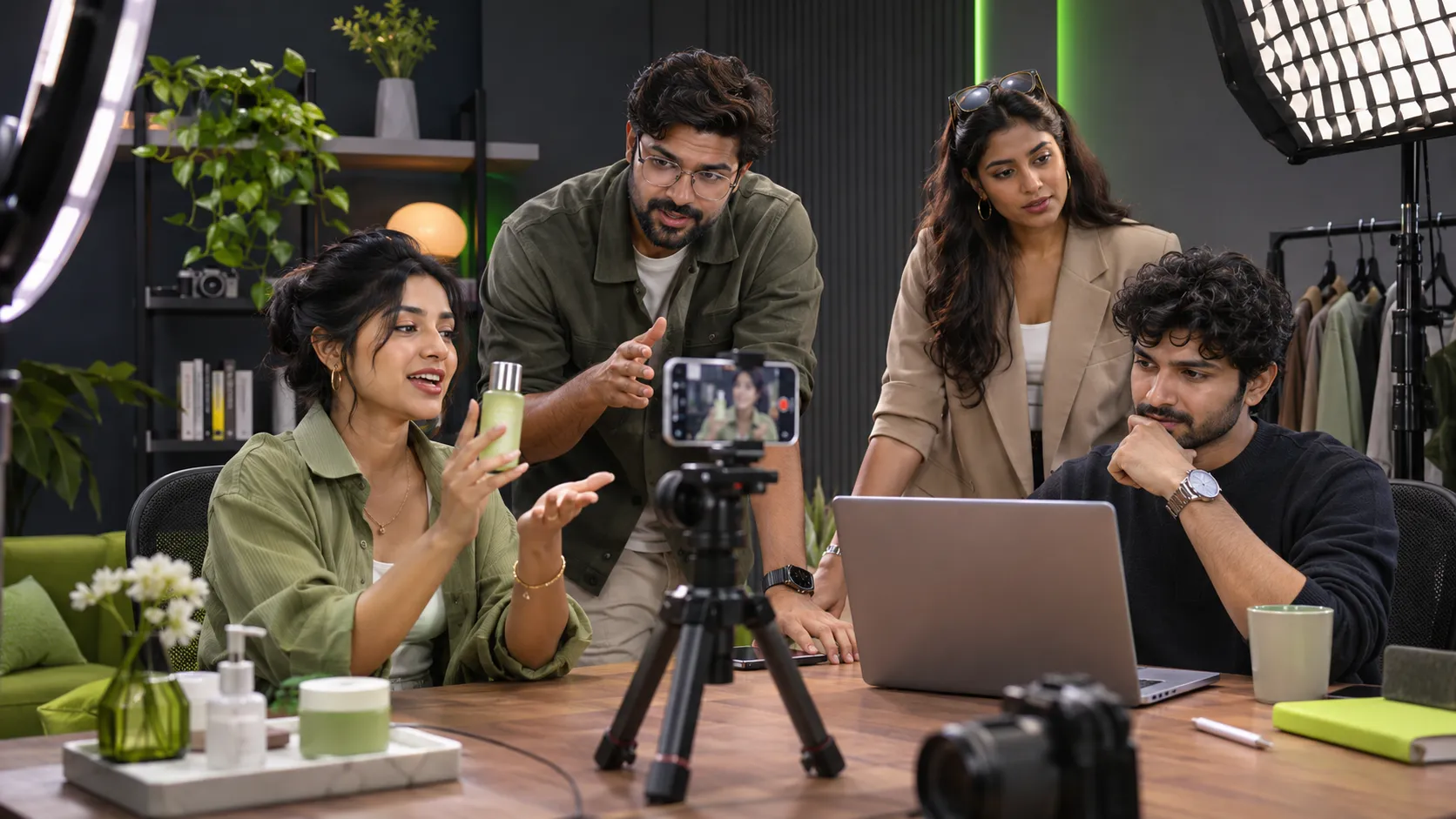
How To Find The Right Influencers For Your Brand
Finding influencers can be more tricky than just picking the most popular social media accounts. Whilst an influential creator may not reach your target audience, someone with less followers will have the right audience for your brand and the correct content style.
When looking for influencers in India there should be consideration of the segmented audiences. To find the right influencer for your brand you should know what your campaign brief is and ensure the influencers account has the right reach and relevance. Below we’ll cover how to find the creator with the right audience and analyse their profiles.
Quick Answer

Influencers who match your brand should be determined according to the goals of your campaign and target market. Consider how well their audience matches yours in terms of geographical location, demographics, and interests. Additionally, consider their content quality, engagement rate, credibility, and brand safety.
What Is Influencer Discovery?
Finding influencers means researching social media creators and connecting with them based on certain criteria. This includes analysing the influencer’s profile, content and audience and how it may help with your brand’s marketing.
For example, a food brand who are launching a regional campaign may want to work with opinion leaders in the food reviewing niche who speak in the language your customers speak. Alternatively, cosmetic brands looking to understand Vitaay’s approach to influencer marketing and creator collaborations can learn more about us.
This all depends on your campaign objective so it’s important to find influencers who fit your brief.
Know Your Influencer Campaign Objective
Campaign goal should be clear before searching for any influencers since it helps you to identify the type of influencer you need and the criteria that can be used in such search.
Campaign objectives differ, therefore creators needed will differ as well.
| Campaign Objective | Influencer Profile | What to Look For |
|---|---|---|
| Brand Awareness | Influencers with reach and relevant content | Target audience fit, reach and quality content |
| Product Education | Reviewers, educators or specialists | Clear, credible and interesting content |
| Community Engagement | Influencers with active conversations | Relevance, talking points and fit |
| Product Discovery | Influencers who showcase products | Content type, fit and relevance |
| Regional Visibility | Influencers with the right language and regional audience | Language, location and credibilit |
Whilst this isn’t an exact list, it can help you find creators who fit more than one objective. It’s important to know what your main objective is and have a clear brief for your influencer discovery.
Know Your Target Audience

As mentioned above, knowing what audience the creator has is one of the most important aspects. You should have a general idea of who you want to target and what types of influencers may fit your needs.
If you’re launching a new regional clothing range you may want to work with influencers who have a regional following and can communicate well with your target audience. If you’re a business offering small business software you may want to work with someone who can explain complex ideas rather than a celebrity. Consider factors such as language, region, age, interests, purchase intent and social media preferences.
It can be helpful to have a brief outlining what your ideal audience looks like. This will help keep you on track whilst searching for influencers.
Research The Influencer Landscape
In India there are lots of different influencers to choose from. There are national superstars, local creators, specialists, reviewers, educators and much more. Some influencers will have more popularity within a regional area and others will have a national reach. Working with local influencers may help you connect with a specific audience within a certain area, perhaps speaking another language or having different purchasing habits.
For example, if you’re launching a food campaign you may want to work with someone creating Marathi content. However, not everyone who speaks Marathi will be interested in watching a food vlog. Ensure the creator is in the correct location and their content fits your target audience.
Below are a few ways you can find influencers:
- Niche Communities – Look for influencers and forums talking about relevant topics such as fitness, parenting, food and technology.
- Regional Influencers – Search for influencers in their language/region and use local hashtags.
- Social Media Conversations – Look for influencers who are involved in the conversation, using similar hashtags and working with other creators.
- Competitors – See which influencers competitors are working with and see if there are any gaps in your research.
- Ask Creators – Ask influencers you’ve worked with previously and those in the industry for recommendations. Ensure you do your own research for all creators.
By using a mix of methods to find influencers you’ll get better results.
Check The Audience Fit And Engagement
Alongside looking at the content the creator produces, the audience they have is very important. Once you have a list of potential influencers to work with, focus on analysing their reach and engagement.
Consider:
- Are they reaching your target market?
- Do they have the right following for your campaign region?
- Do they encourage engagement?
- Are they posting regularly enough for your campaign?
- Is their content relevant to your brand and campaign?
- Do they clearly state they’re working with your brand?
- Do they use credible information?
- Are they honest with their sponsored content?
Ensure you consider all these factors and that the influencer can meet your campaign requirements. Whilst engagement rates and comments are useful to look at, the creators performance may depend on the platform they’re on and the type of content they usually post. Where possible ask for data analytics from the influencer and analyse it in context of your campaign.
Check Content, Values And Brand Safety
Even if an influencer can reach your target market with credible information, they may not be the best fit for your brand. Focus on their tone of voice, visual content and how it fits with your brand values. Ensure they have values that align with yours by looking at more than one post.
Consider:
- Is their tone of voice right for your target audience?
- Do they state they’re working with your brand?
- Do they make any false claims that may harm your brand?
- Are their sponsored posts aligned with your brand voice?
- Do they work with other brands/influencers who are your competitors?
- Are their sponsored posts legal and follow ethical marketing guidelines?
As with all influencer due diligence, ensure you research brand safety objectively. Always provide evidence. Whilst they may not seem like the right fit due to their personality or aesthetic, they could be a great collaboration. The goal is to ensure they fit your brief and your campaign will run smoothly without impacting either parties reputation.
Compare Influencers Using The Same Criteria
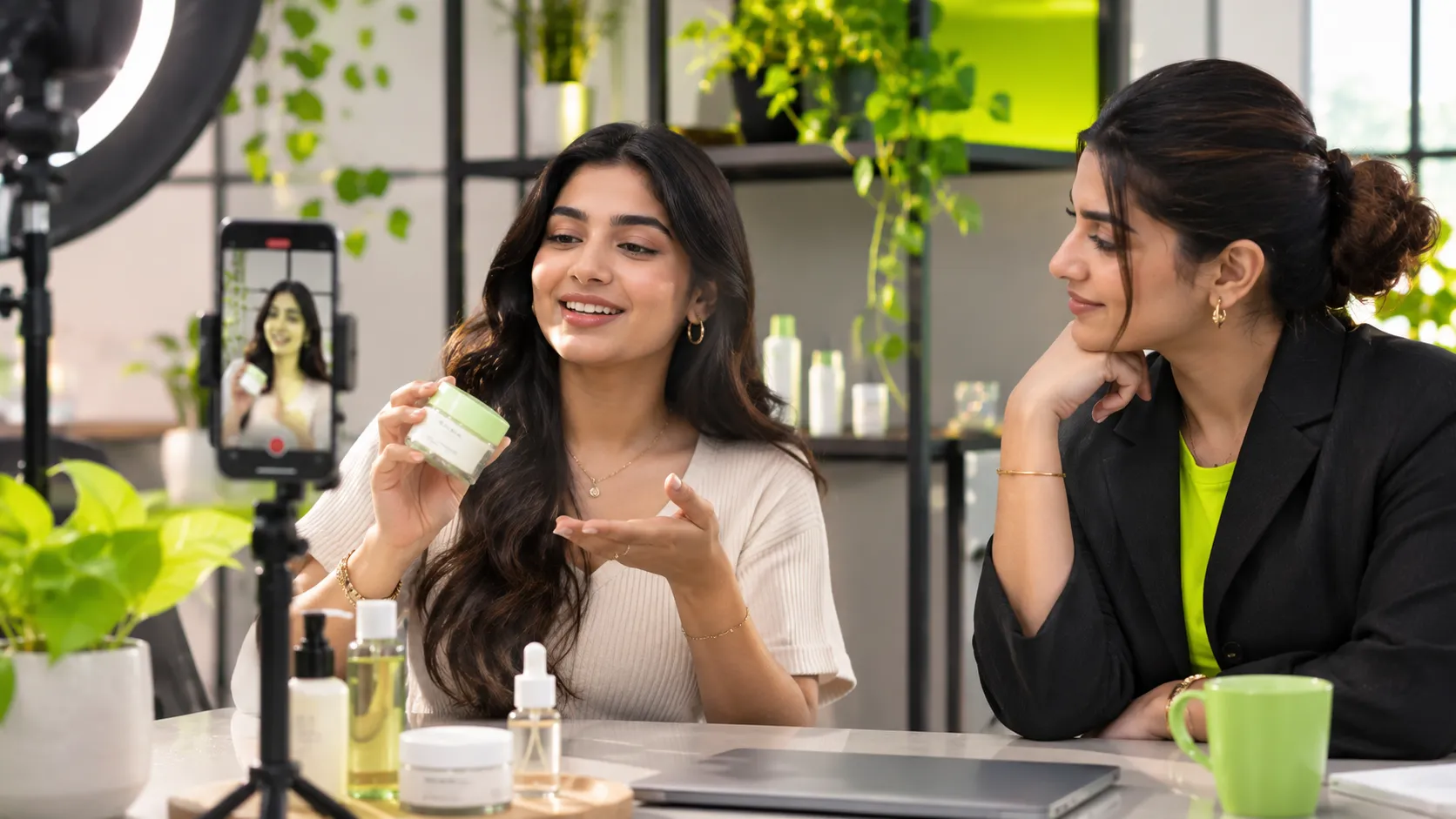
When comparing influencers ensure you use the same criteria to help you decide on the best influencer for your brief.
Create a score card to help you rank each influencer. Depending on your campaign objective, the criteria will vary in importance.
| Criteria | Score (%) |
|---|---|
| Audience Fit and Campaign Relevance | 30% |
| Content Quality and Relevance | 25% |
| Quality of Engagement | 20% |
| Credibility and Brand Safety | 15% |
| Budget and Work Requirements | 10% |
| Total | 100% |
Whilst this is a tool to help you, you should tailor the criteria to fit your campaign and the influencers you’re looking for.
For example, if you’re launching a regional campaign location may be more important than content quality. It can also be a good idea to note down evidence to back up your scores, such as evidence they fit your audience.
Use Creator Discovery Tools
Manually finding influencers can work well if you’re looking for a few creators. However, if you’re looking through hundreds of influencer profiles it can become quite time consuming. Fortunately there are a number of creator discovery tools and influencer marketing platforms that can help you find the right influencers. These may help you organise your shortlist and compare the data of your potential influencers.
If you’re looking to discover influencers for the first time an influencer platform would be more useful. Vitaay is an influencer marketing platform that allows brands and creators to network and work together. There are features to help brands find influencers and start the collaboration process. Always do your own research and ensure the information you receive is relevant to your campaign.
There are many options available to you when searching for influencers. Choose the ones that fit your influencer campaign requirements. If it’s a small project an Excel Spreadsheet and manual research may be enough. However, if it’s a larger campaign it’s a good idea to have a structured and organised approach.
Contact Shortlisted Influencers
Once you have a few influencers to consider you can start contacting them. Be sure to tell them who you are, why you’re contacting them, what you expect from them and what they can expect from you.
Your initial campaign brief should include:
- Campaign Objective & Target Audience
- Information about the product/service/concept you want them to promote
- Expectations – Content type, How they should deliver, Timeframe & Approval Process
- Budget & Usage – How much you’re willing to spend and if it will be exclusive to one channel
- How you’ll measure success
- How they should mention they’re endorsed by your brand and payment
The influencer should ask questions and ensure they fit the brief. Agree terms and conditions with them, including what they should deliver, how much they should be paid, ownership and amendments.
Measure Campaign Performance
Once your influencer campaign has finished you should analyse how it performed and update your influencer marketing strategy where possible. Always go back to your original objective and ensure you achieved your goals. Don’t always measure your campaigns using the same metric and only update your strategy based on objective evidence.
Depending on your campaign objective you’ll measure your campaign in different ways. A brand awareness campaign will have different metrics to a product launch. Be sure to note down what worked, what didn’t and what you plan to change.
Always be open to feedback from your audience, whether it be comments or questions. Update your strategy based on the information given. Even if your campaign didn’t go well you can learn something new as a marketing team and gain invaluable lessons.
Final Thoughts
Finding influencers is an art. Balancing your campaign objective with the influencer’s audience, content and overall fit with your brand. Whilst follower numbers can give you an idea of how much reach they have, always do your research to ensure they have the right audience, content and fit the brief. They should have credible information and honestly state they’re partnering with your brand.
It’s important to have a campaign brief, analyse objectively, verify the information and measure the impact. If you’re looking to learn how to find influencers for the first time use the guide above and improve your strategy with every campaign.
To learn more about influencer marketing and connect with influencers follow us on instagram.