
Introduction
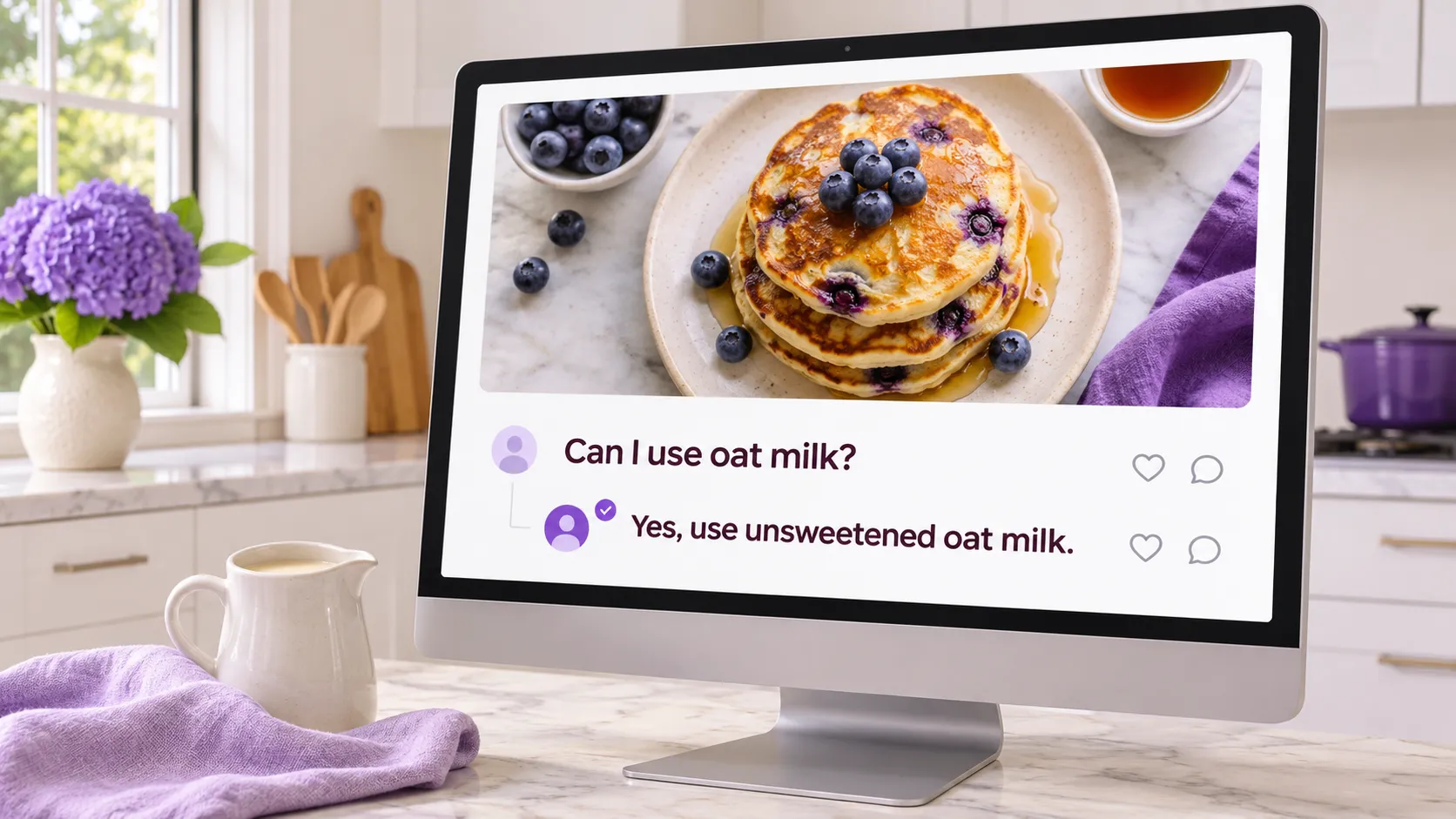
Identifying genuine influencers to work with in a campaign can be tricky. Although an influencer may have many followers and high engagement, this does not guarantee a genuine audience.
Consider one skincare brand wanting to work with a beauty influencer. Influencer 1 may have 100k followers, but minimal meaningful comments. Influencer 2 may only have 20k followers, but many comments asking questions about products, sharing experiences and discussing their skincare. Influencer 2 may be a better choice for the brand.
Knowing whether an influencer is genuine can support brands in understanding audience quality, identifying effective influencers and making informed decisions when choosing collaborators.
Why is Identifying Genuine Influencers Important?
Genuine influencers will have an audience that engage meaningfully, and recommend in line with a community of people.
Although the influencer may not have a large following, they may be genuine if they have an engaged audience, and make relevant recommendations.
If a fitness influencer regularly produces content and engages with questions regarding fitness, it makes sense for them to work with a sports clothing brand. However, if this influencer were to suddenly begin promoting unrelated products with no explanation, followers may question whether the recommendation is genuine.
Authenticity is important for brands to ensure trust, relevance, and interest within their audience.
7 Tips to Determine if an Influencer is Genuine

1. Analyse Growth Trends
A steadily growing audience indicates that the content being produced is engaging and that the influencer is working with others and gaining followers organically. Sudden spikes in followers may just be due to a piece of content going viral or a successful collaboration.
However, look out for:
- Repeated sudden growths with no significant increase in content.
- Large increases in followers, then sudden declines.
- Growth that does not seem to relate to viral content.
Following numbers which do not appear consistent with the activity of the influencer.
These are just indicators and further investigation can be carried out.
2. Analyse Engagement
Engagement can help brands understand if audiences are engaging well with the content.
Analyse both the number of likes, comments, shares, and saves (if available). Look at engagement on several recent posts.
To get a general idea of engagement, divide (likes + comments) by the total number of followers and multiply by 100.
For example:
If an influencer has 20,000 followers, gets 400 likes and 40 comments. Engagement = (400+40)/20,000 x 100 = 2.2%
This is simply a benchmark to help you decide. Engagement will differ between social media, content type, audience volume and industry.
3. Analyse Comments
By analysing comments, you can understand if followers are genuinely interested in the content.
Look for:
- Questions
- Shared experiences
- Discussion of products/recommendations
- Repeat audience members
- Natural engagement with questions
For example, if a chef creates a recipe, questions relating to the ingredients, cooking time and recipe modifications would be expected. This means there is more context behind comments than if the comments were unrelated and generic.
Occasional comments such as “Nice” or “Great post” are fine. However, if there is a clear trend of irrelevant or suspicious comments, this may be an issue.
4. Audience Relevance
Even if an influencer has a genuine audience, they may not be a good fit for your campaign.
Audience relevance is just as important as volume.
If a brand sells professional photography equipment, working with an influencer who has a photography focused audience may be more beneficial than an influencer with a much larger audience, but in the general lifestyle category.
Look at the following information to understand audience relevance:
- Location and language.
- Age ranges and demographics.
- Interests and content preference.
- Whether this audience fits with your target customers.
Wherever possible, request recent analytics from the audience. If the influencer is public, you may not get enough information from their social media to understand audience quality.
5. Content Quality
Genuine influencers will generally create consistent, original content and establish a relationship with their audience.
Analysing content to consider if it feels genuine:
- Are original pieces of content being created regularly?
- Is there a consistent tone of communication?
- Are recommendations being given with useful context?
- Are products being promoted consistent with the influencer’s usual content?
- Are sponsored products being given sufficient context?
For example, if an influencer regularly shares content about places to visit, they may be an appropriate choice for a bag/luggage company. If they suddenly begin promoting unrelated products, you may wish to take a closer look.
Although it may make sense to allow creators to be creative and try new content, it is important that the content and partnerships make sense for their audience.
6. Previous Brand Collaborations
Previous brand collaborations can give insight into how the influencer handles sponsored content.
Ensure that the content is relevant to their niche. Ensure that recommendations for products have sufficient context. Ensure that paid partnerships are clearly stated.
Additionally, ensure that competing products are not being promoted frequently in a short time period. Although this may not be fraudulent, it could reduce the credibility of the campaign.
Ensure that expectations have been discussed with the influencer. Make clear what needs to be delivered, whether exclusivity is required, what content is required, and what rights/expectations for reporting there are.
7. Request Recent Performance Data
Although public engagement data is useful, request relevant performance data from shortlisted influencers to make an informed decision. Depending on the social media platform and campaign type, useful data may include:
- Recent reach
- Impressions
- Stories viewed and completed
- Views of videos/Reels
- Demographics
- Clicks on links (if applicable)
- Performance of previous campaigns
If an influencer states that their fans react positively to product suggestions, request some examples and results that will allow you to judge how efficiently they are able to engage people in their brand. Sites like Vitaay can enable brands to find suitable influencers to collaborate with.
Ensure that this data relates to that specific influencer and recent content. Don’t rely on screenshots and reported figures, consider this alongside your other observations.
Checklist to Consider When Choosing Influencers
Consider the following to make sure you have chosen a genuine influencer.
| What to review | What to look for |
|---|---|
| Follower growth | Understandable growth patterns |
| Engagement | Consistent interaction across posts |
| Comments | Relevant conversations |
| Audience | Alignment with campaign customers |
| Content | Originality and consistency |
| Brand partnerships | Relevant and transparent promotions |
| Analytics | Recent, supporting performance data |
Don’t dismiss influencers based on one odd metric. Consider all metrics as a whole.
How to Include Authenticity Checks in Your Campaign Workflow

Incorporate influencer evaluation into your process.
Step 1: Consider what the aim of the campaign is. For example, increasing awareness, engagement, traffic or conversions.
Step 2: Shortlist relevant creators. Choose influencers with relevant content and audiences.
Step 3:Review profiles. Look into content history, follower growth and audience interaction.
Step 4: Consider engagement. Look for consistent engagement across multiple posts. Consider quality of comments.
Step 5: Request data. Request recent audience and campaign performance data.
Step 6: Consider expectations. Agree on what content is to be delivered, timescales, transparency and reporting.
Step 7: Review performance. Understand how your campaign performed and use this to improve future choices.
Consider using an influencer evaluation template to easily compare creators. Or consider using influencer discovery and analysis processes to make comparisons easier.
Contact us to discuss your creator discovery and branding collaboration requirements.
Final Thoughts
Considering whether an influencer is genuine involves considering the influencer’s audience, audience interaction, relevance to the campaign and collaboration style.
The best way to identify genuine influencers is to look at their profiles, audience data, performance data and have a conversation with them. There is no one metric that will guarantee that an influencer is genuine. Genuine influencers can also fluctuate in performance.
Carefully evaluating influencers can allow brands to find relevant creators, reduce risk in collaborations and create campaigns which reflect real audience interest.
To explore more creator marketing insights and updates, follow us on Instagram.