
Quick Answer
What Defines AI Influencer Promotion? This approach merges influencer promotion with artificial intelligence so that companies and content makers can handle specific sections of the partnership workflow effectively.
Conventional influencer marketing usually entails finding creators evaluating their material analyzing audiences talking about campaign needs and assessing outcomes. AI influencer marketing may assist with many of these duties through handling large quantities of creator and campaign data.
An AI influencer marketing platform can assist with organizing creator discovery, profile analysis, audience matching, campaign planning, or performance information. Yet AI influencer marketing fails to eliminate the requirement for decisions. A creator might appear suitable according to data. Remain a bad fit for a brand's tone, audience, or product.
It is that equilibrium between tech and human decision making which renders AI influencer marketing useful.
How AI Is Changing Influencer Marketing?
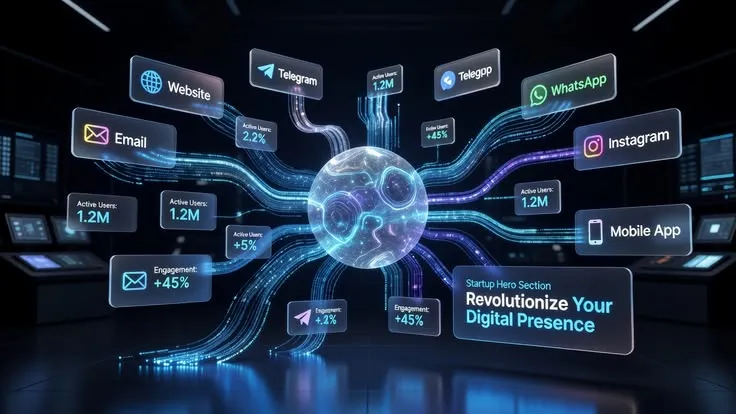
AI influencer marketing can aid multiple phases of a creator campaign rather than just one single task.
For instance a brand releasing a skincare item might require creators who often make skincare material talk to viewers and possess a content manner matching the project. Checking many profiles by hand AI influencer marketing devices can assist narrowing the hunt.
Marketing using AI influencers can likewise assist organizing data regarding creators and spotting patterns which might prove hard to detect within datasets.
Common applications include:
- Creator discovery and search
- Audience and content analysis
- Creator-brand matching
- Campaign organization
- Content research
- Performance analysis
- Influencer fraud and authenticity checks
- Campaign reporting
The aim is not to allow an algorithm to decide everything. The objective is to cut down labor so marketing groups may take time assessing suitability and creating valuable alliances.
What Does an AI Influencer Marketing Platform Do?
A single workflow could hold all influencer marketing tasks if using an AI influencer marketing platform.
Depending on the platform, it might assist brands in finding creators by utilizing traits including niche, audience, location, content type, or additional campaign needs.
For instance an online store offering exercise gear might begin with finding creators. Next they can limit choices by checking how well their viewers match fitness topics, location and past work with companies.
Platform helps with discovery. Marketing team still needs reviewing creators actual content.
A useful evaluation should consider:
- Content relevance: Does the maker frequently talk about subjects connected with the item?
- Audience fit: Is the target group aligned with the campaigns planned clients?
- Content style: Is the author communicating so it fits the brand?
- Engagement quality: Are interactions that merely large in quantity?
- Brand history: Did prior alliances generate a steady trend?
- Campaign requirements: Is it possible for the maker to provide the needed form, schedule and material?
This renders AI influencer marketing a support layer for decisions and research rather than a substitute for marketing judgment.
AI Creator Marketing and the Creator Economy
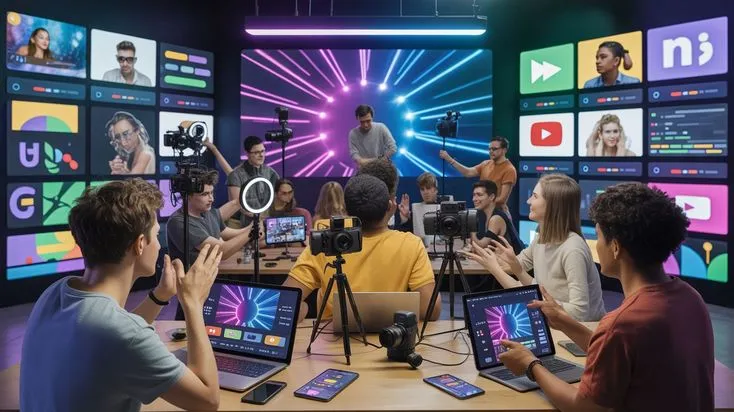
Creator economy covers creators, influencers, brands, agencies, platforms and audiences. With growing numbers of creators, locating correct partnerships becomes increasingly complex.
Marketing with AI influencers could aid organizing this expanding system.
With AI influencer marketing discovery tools, brands find matching profiles easier for campaigns. It reduces research needed by brands when building a creator shortlist list.
This may prove particularly helpful to ecommerce creators since product-centered campaigns frequently need a connection between creator material and the product class.
Yet a creator's worth can't always be grasped via data. One might hold an audience yet possess high relevance and trust inside a niche. Another could show less fit regarding the product.
The right evaluation therefore combines information with review.
A Practical AI Influencer Marketing Workflow
1. Define the Campaign Goal
First decide what the campaign requires to accomplish. The aim might include product awareness, content generation, community interaction, website visits, product instruction or some other specific result. Lacking a goal maker discovery turns into a hunt for fame instead of importance.
2. Identify the Target Audience
Identify whom the campaign targets. Look at elements including age range, hobbies, place, purchase situation and content likes. Audience definition acts as a filter during creator review.
3. Find Suitable Creators
Utilize creator discovery tools or an AI influencer marketing platform to form a list. Search parameters may involve content niche, audience traits, location, creator category and campaign needs. Here the aim is to construct a shortlist that allows immediate selection of a creator.
4. Review Creator Profiles
This is where human review becomes important.
Examine posts, captions, videos, sponsored material, communication manner and the total relationship existing between the creator and the audience.
Artificial intelligence may arrange data. Humans ought to examine material prior to when brands and creators consent to work together.
5. Plan the Partnership
When the brand identifies creators they set up collaboration needs.
Talk about outputs, schedules, artistic guidance, permission to use, talk needs, telling rules and other important plan parts.
Clear expectations can reduce misunderstandings later.
6. Execute the Campaign
The creators make and release the content that was agreed upon but the brand handles the checks and organizing the campaign.
Artificial intelligence instruments can help with organizing tasks or generating reports. Choices regarding creativity usually stay collaborative efforts between people.
7. Review and Improve
Following the campaign review the outcomes versus the aim.
Examine what functioned well, what needed modification, and if the maker and brand connection matched properly.
These observations can help improve creator partnerships.
AI Influencer Marketing and Social Selling
Social selling links tightly with creator marketing since creators place goods inside content matching audience media habits.
For instance an online retail maker could show how an item functions describe usage by the creator or contrast choices. Such material supplies background information which standard commercial ads often fail to deliver.
Artificial intelligence may aid research and organization within such campaigns. However, creator communication quality remains important.
Consequently, a social selling initiative needs to look beyond simple product exposure. The company must evaluate if the influencer can describe the item and if viewers have motivation to pay attention to it.
How Brands Can Use AI Without Losing Authenticity?
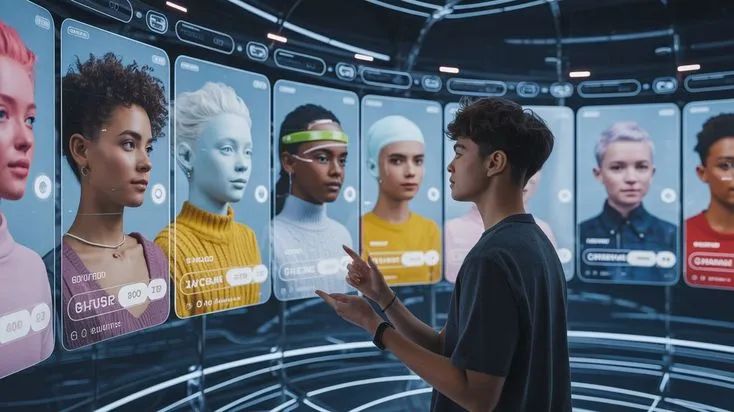
One concern with AI- one issue with assisted influencer marketing is too much automation makes creator partnerships seem robotic.
One practical way is to make research automated yet keep choices led by people.
AI can help answer questions such as:
- Which creators fit the campaign criteria?
- Which profiles require review?
- What content themes appear frequently?
- How can creator information be organized?
- Which campaign data needs analysis?
- Does this creator genuinely fit the brand?
- Would the partnership feel natural to the audience?
- Is the creators communication style appropriate?
- Are the campaign expectations realistic?
- Does the content meet brand and platform requirements?
This separation holds tech but does not view the maker as data.
Successful collaborations between creators require effective communication, similar goals, and realistic expectations for the campaigns. Any brand interested in exploring the possibility of collaboration can contact Vitaay for further discussion.
Choosing an AI Influencer Marketing Platform
When brands compare platforms they ought to initially think about what workflow their brand truly requires.
Helpful assessment zones cover creator finding, search tools, profile details, viewer study, project control, reports, connections plus user friendliness.
It is equally vital to know which data the system offers and what remains needing confirmation.
Brands seeking a creator-centered space find that Vitaay offers a system built to link creators and companies via discovery, teamwork, and project chances.
The correct platform relies upon the campaign scale, team processes, creator needs and depth of analysis required. A system ought to aid the marketing journey rather than dictate each choice automatically.
Common Mistakes to Avoid
Artificial intelligence may organize influencer marketing better. It does not necessarily ensure campaigns work well:-
- Picking creators using follower numbers: big audiences do not mean they fit well.
- Skipping content review: A candidate may fit search terms yet remain unfit for the specific campaign.
- Relying completely on automated recommendations: Decisions need review of AI outputs before they get finalized.
- Ignoring audience quality: One aspect of creator assessment involves the magnitude of their audience.
- Using campaign requirements: Before starting work creators must know about deliverables, timelines and expectations.
- Treating every creator the same: Various authors might need distinct ways to talk and plan their projects
Final Thoughts
AI influencer marketing helps brands discover relevant creators, organize campaigns, and measure performance more efficiently. However, successful campaigns still depend on creator authenticity, audience trust, and genuine connections. Combining AI-driven insights with human judgment allows brands to make informed decisions and build meaningful, long-term partnerships.
For brands and creators the helpful method is often a mix of tech, detailed profile checks, open talk and campaign design.
Follow Vitaay on Instagram for creator and influencer marketing updates.